This is Nero, the infamous emperor who fiddled while Rome burned – or so the story goes – the story being a modern amplification of disreputable ancient sources.
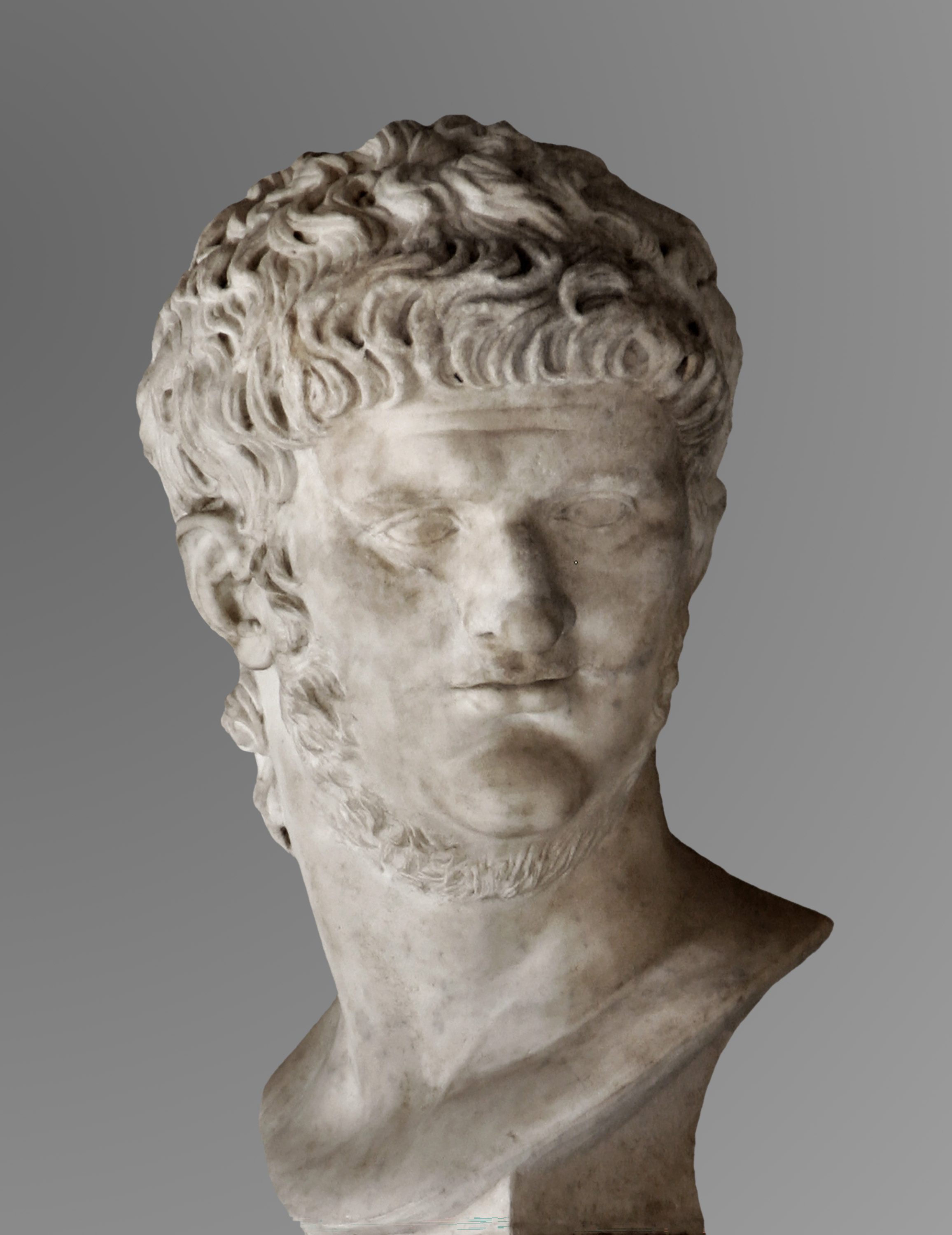
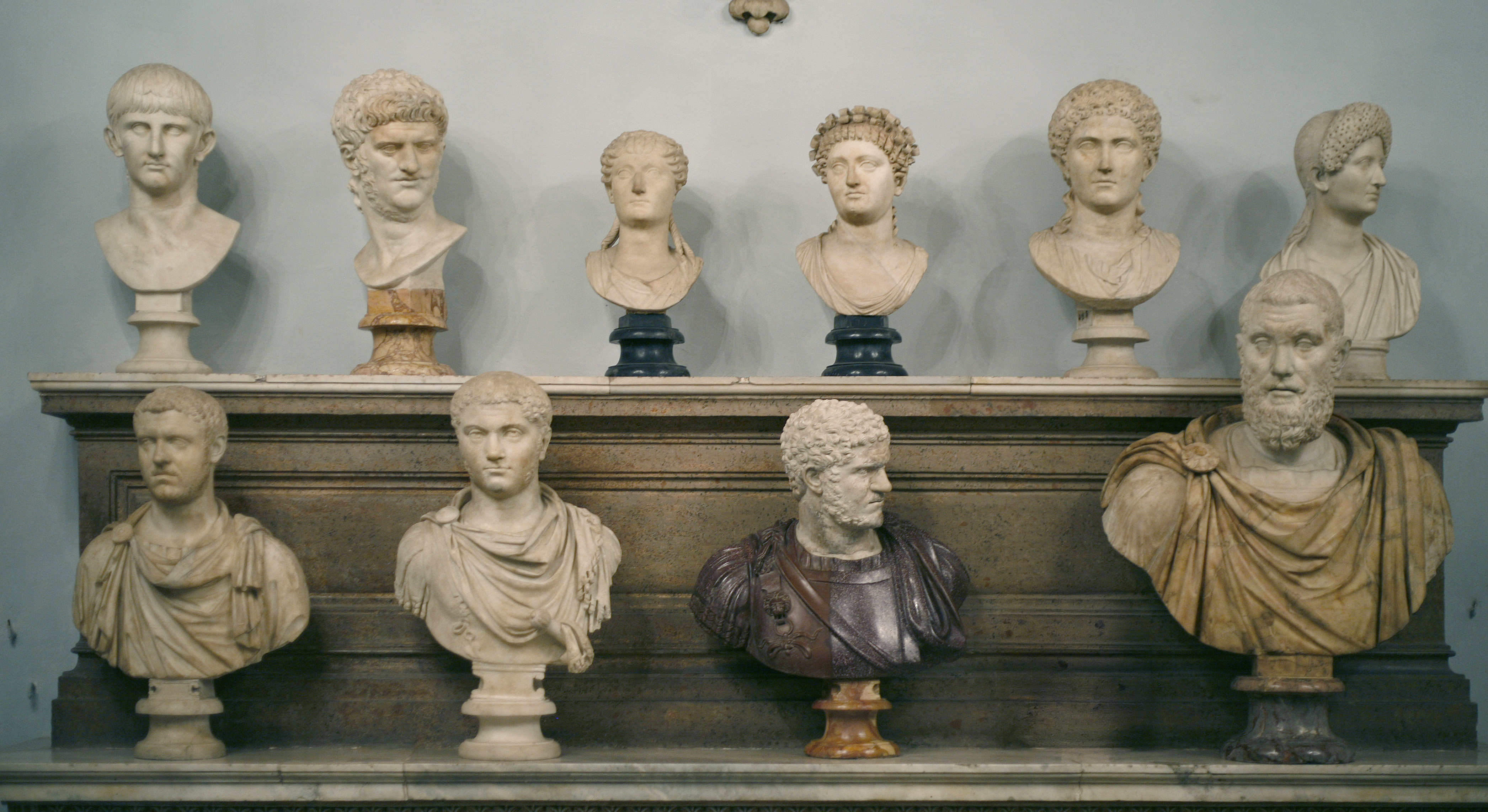
This striking marble bust (Museo Capitolino inventory MC 0427) in the Capitoline Museums’ Hall of Emperors is one of the most photographed portraits of him. It’s certainly the ugliest. But there’s a twist.
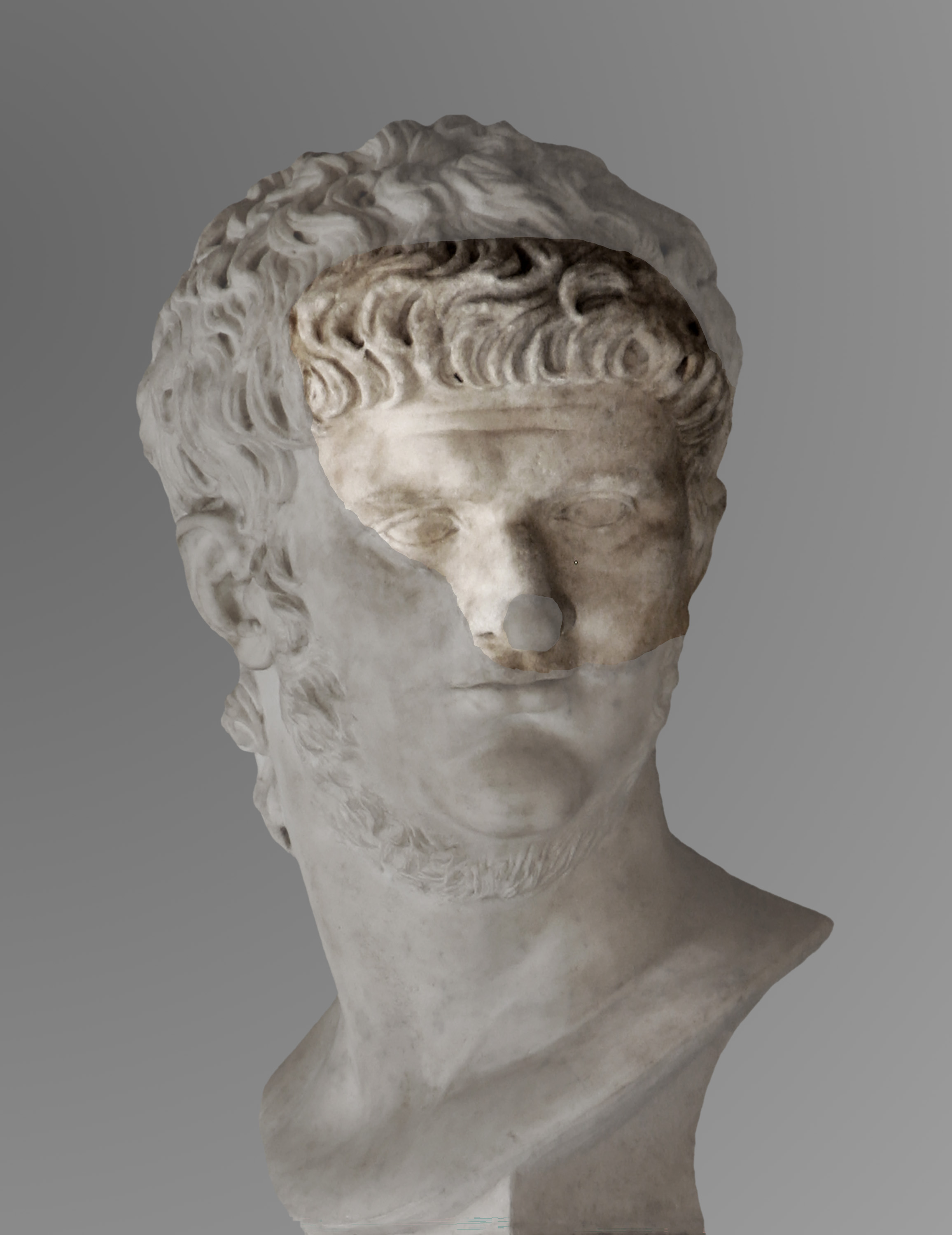
Only this small upper part of the face is actually ancient. It probably originated as a portrait of Nero carved late in his reign, around AD 60 or later. After Nero was murdered, it appears the head was recarved in antiquity to represent Domitian instead.
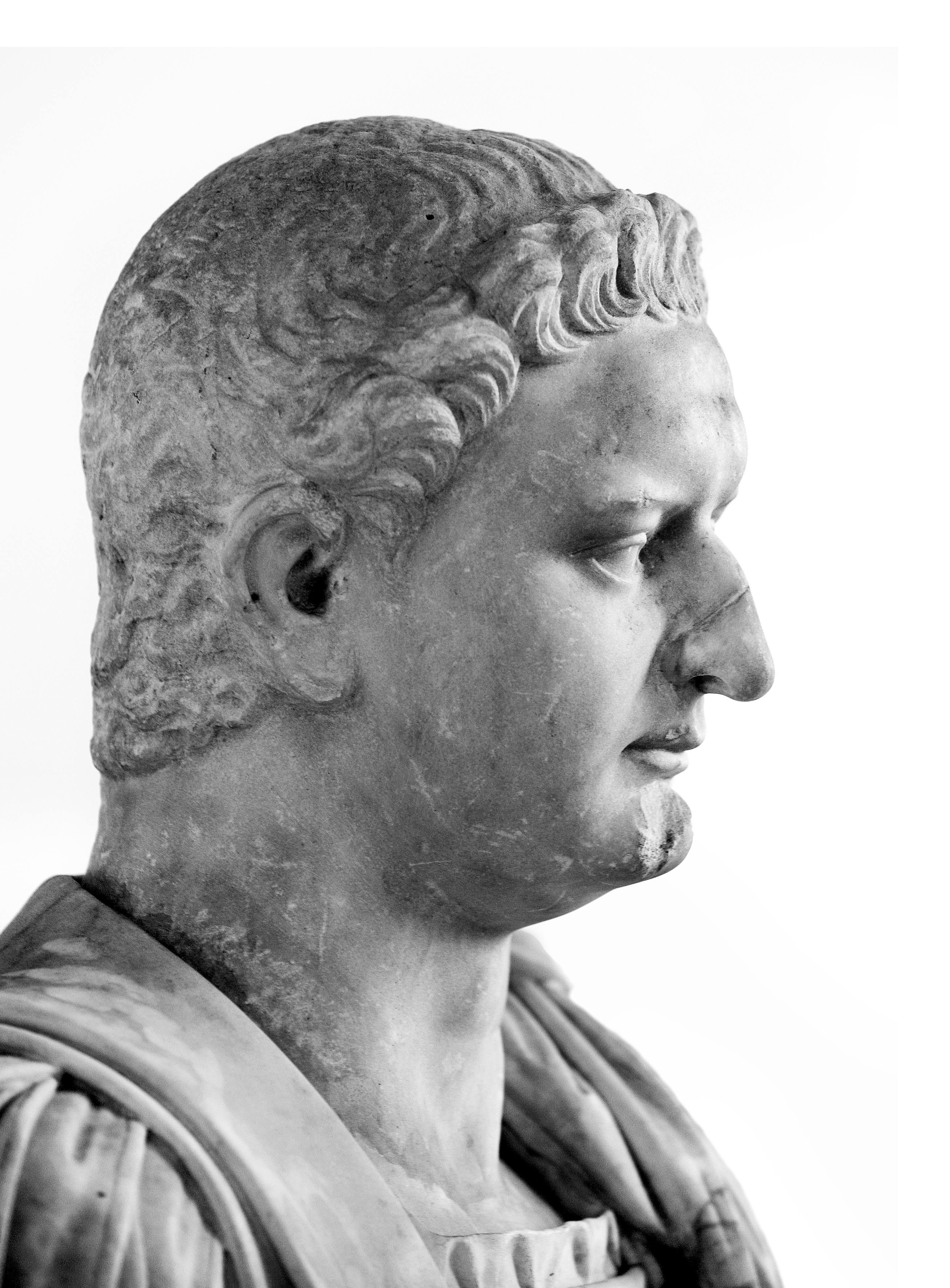
Some time later, it was damaged, leaving just the fragment highlighted here. Then, in the late 16th or early 17th century, Baroque restorers went to work for collectors like those in the Albani circle. The source of the original ancient head is unknown. It passed through the Giustiniani collection before entering the Albani collection, assembled by Cardinal Alessandro Albani in the 1700s. The Capitoline Museums acquired many pieces from the Albani collection in the 18th century as part of the museum’s early formation and expansion.
The Albacini workshop (Carlo Albacini and his son Filippo) was the cutting edge in Rome for restoring and completing ancient sculptures for collectors and the Grand Tour market. A drawing or related work by the Albacinis depicts “a fragment of Domitian restored as Nero,” suggesting their involvement. They completed almost the entire head, neck, and bust in the dramatic style of their time.
The result looks like Nero… Sort of. But compare it to better-preserved portraits of the real emperor and differences jump out. The proportions here are noticeably off – wider, coarser, perhaps deliberately unflattering.
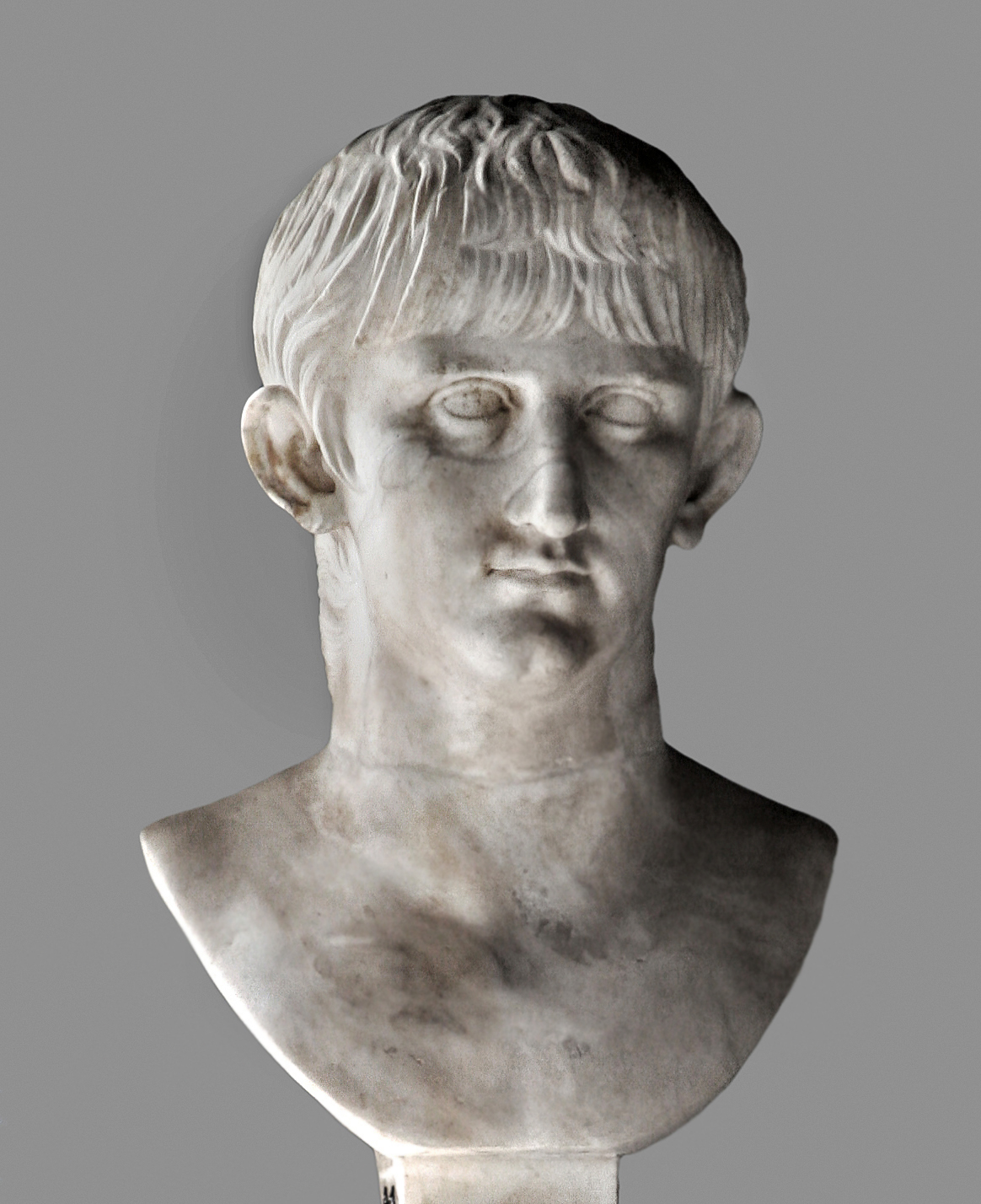
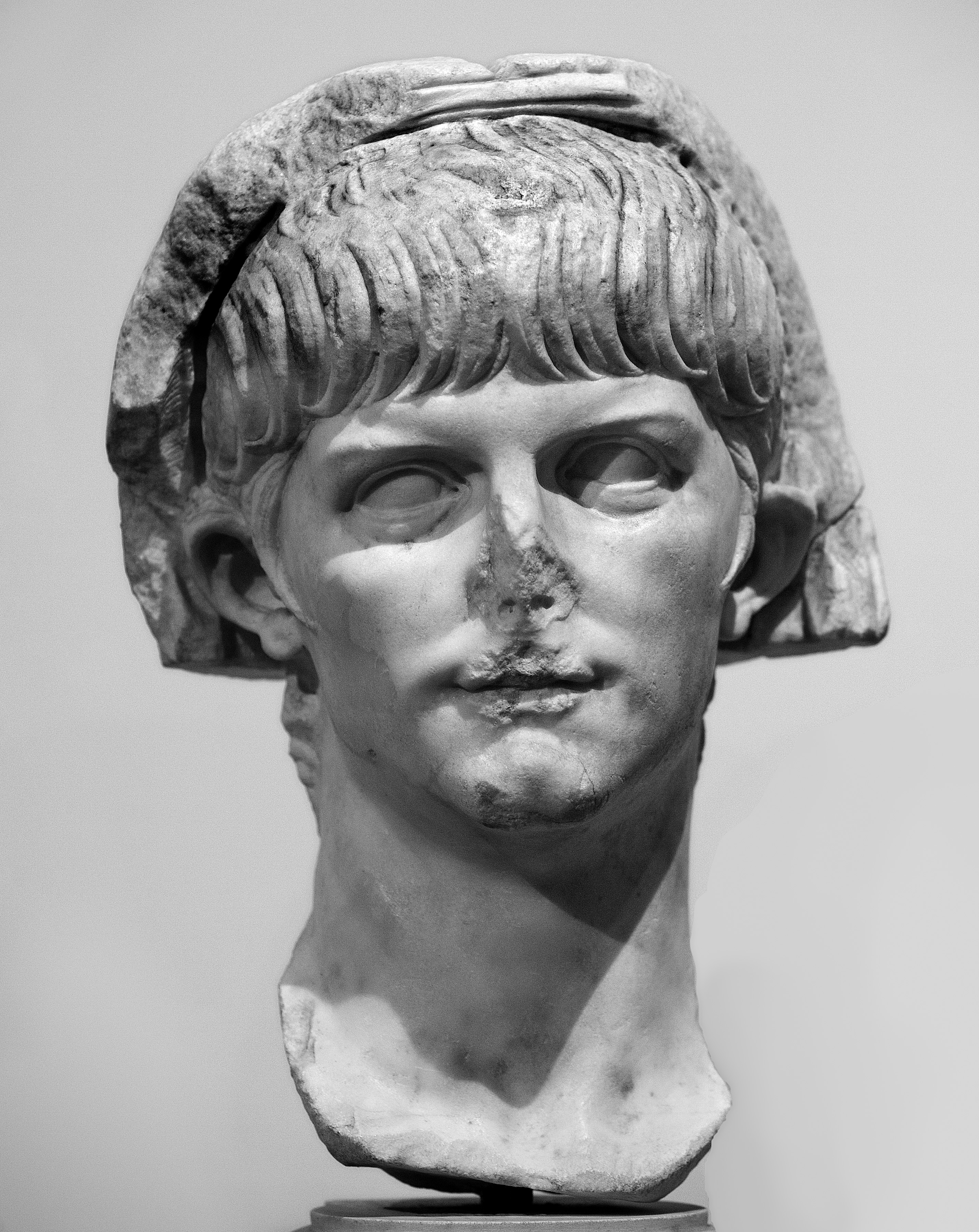
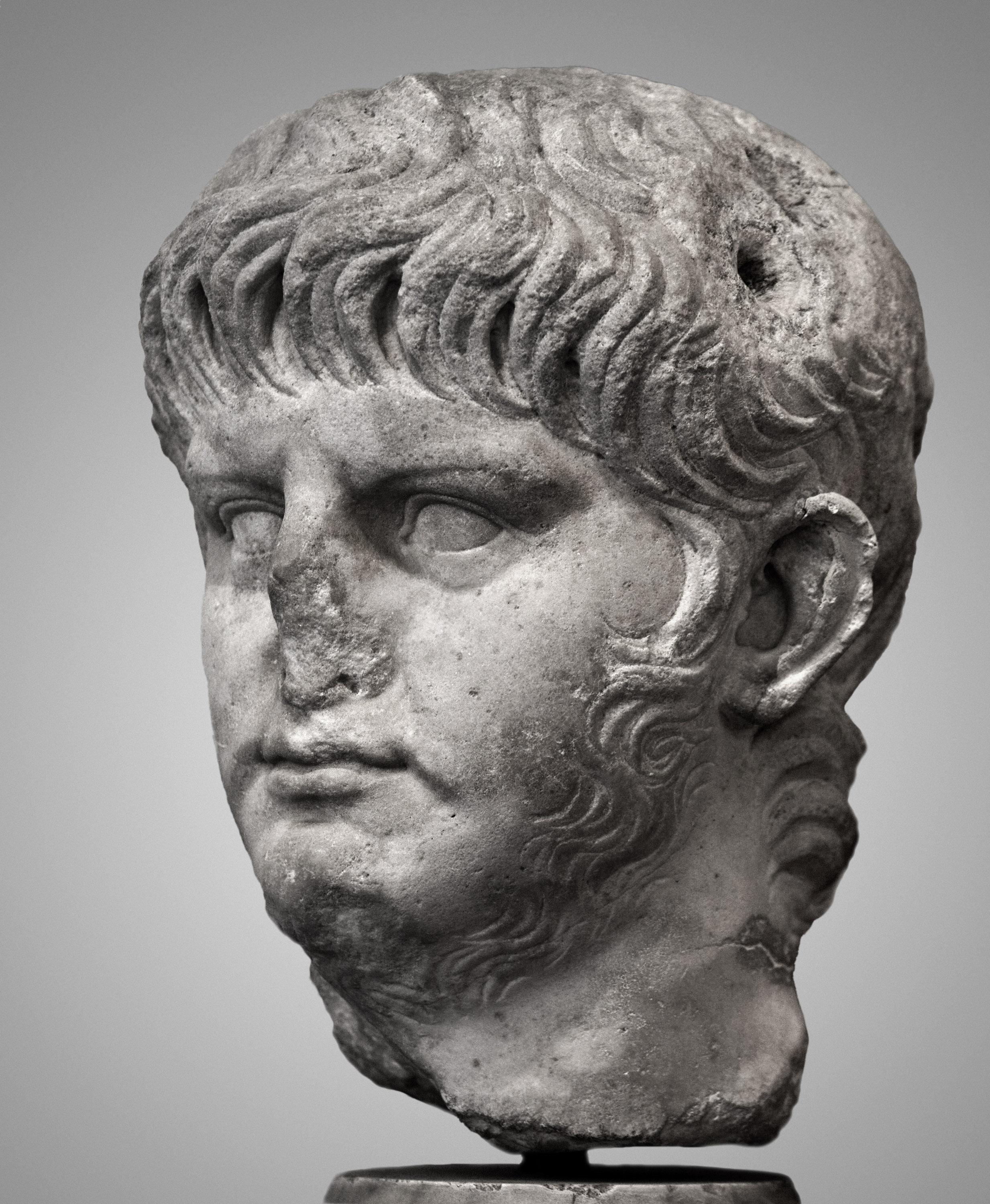
The restored lower face and neck stand out sharply from Nero’s established types. We know this because we took detailed measurements of them and did statistical analyses.
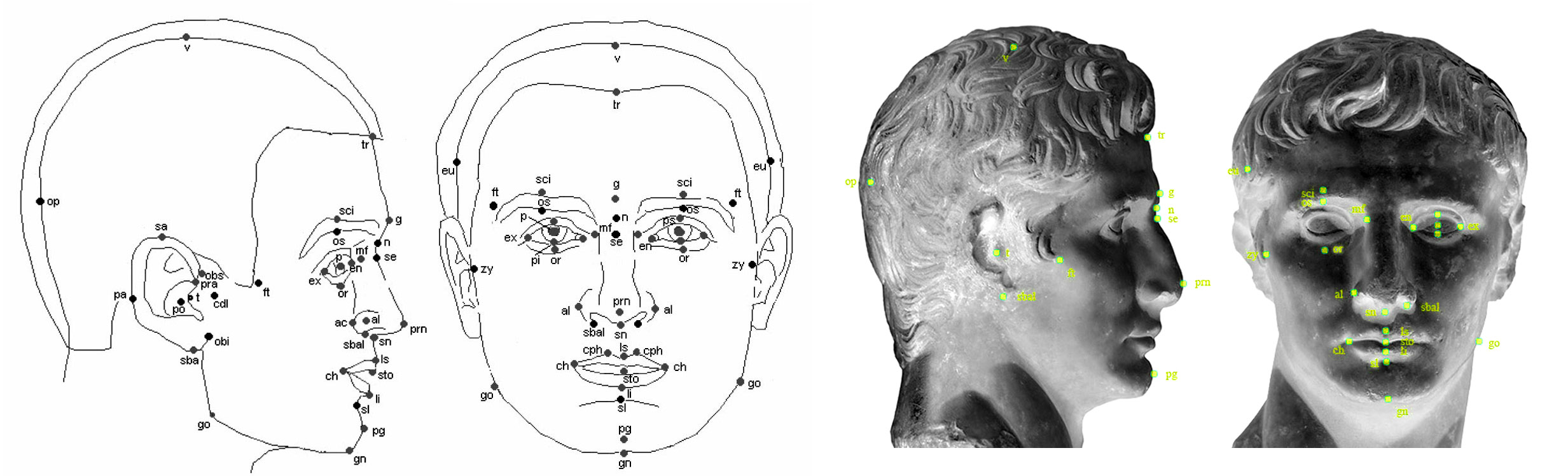
Why make Nero look almost hideous? It probably wasn’t ignorance. Other Nero portraits were known in Rome at the time. More likely, the restorers were channeling Suetonius, who described Nero as physically unappealing, with a thick neck and features that matched the image of a tyrant. Suetonius dies hard, even though we know he just made stuff up. Emperors, in ancient, Renaissance and modern minds alike, it seems, need to have been either great or terrible. Ancient physiognomy – the idea that looks reveal character – probably played a role in the restoration. They may have seen their job as more than just fixing marble. They were shaping a moral story.
This bust is a living record, layered with ancient politics, damage, and Renaissance imagination.
Next time you’re in the Hall of Emperors, look past the label. Roman portraits often tell us as much about the people who carved or restored them as about the emperors themselves.
—
See our YouTube short on this head of Nero
 The Multidisciplinarian